The History of Breendonk
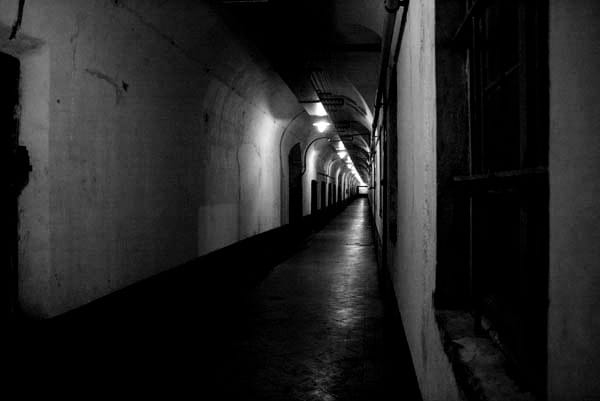
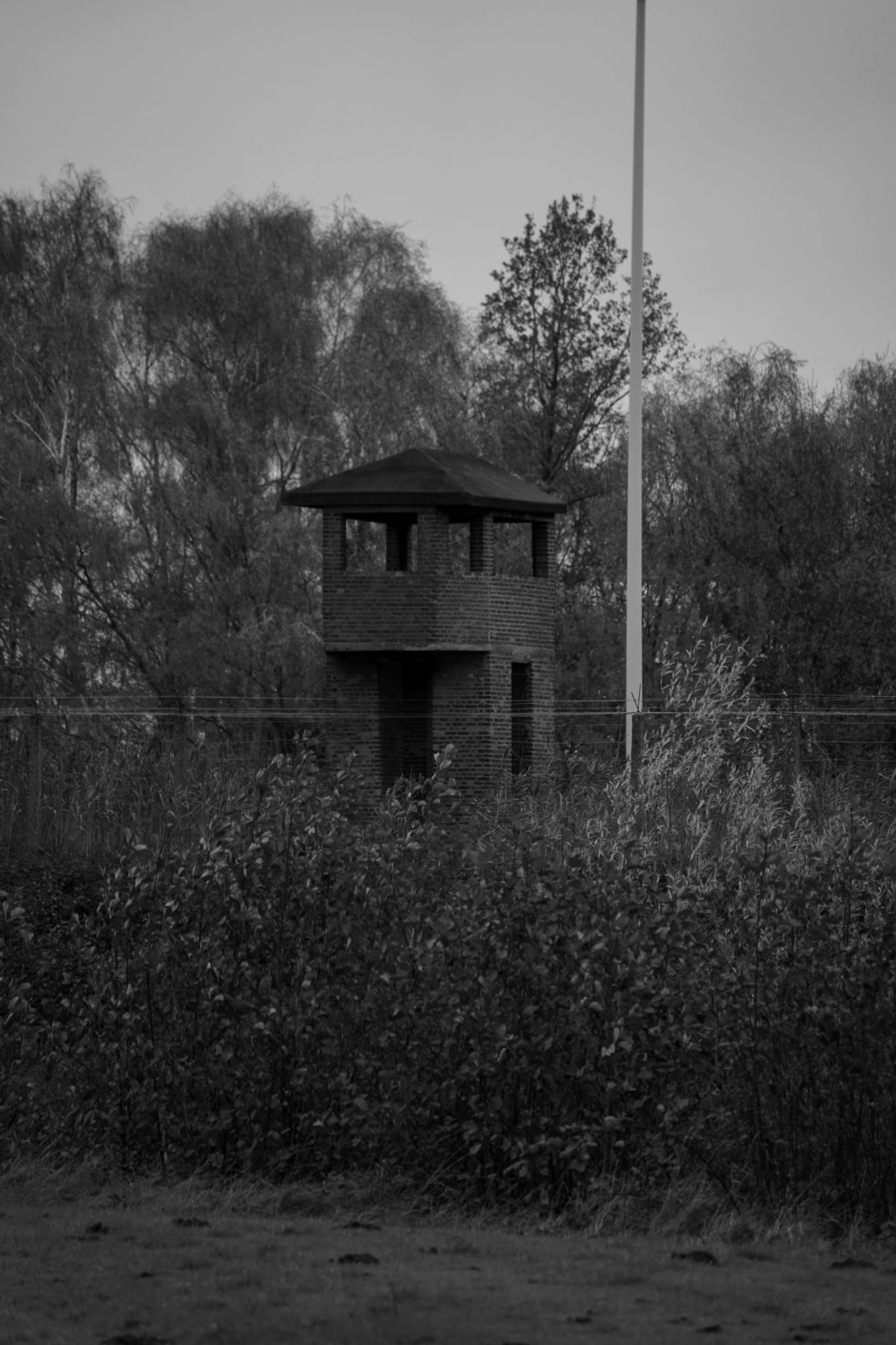
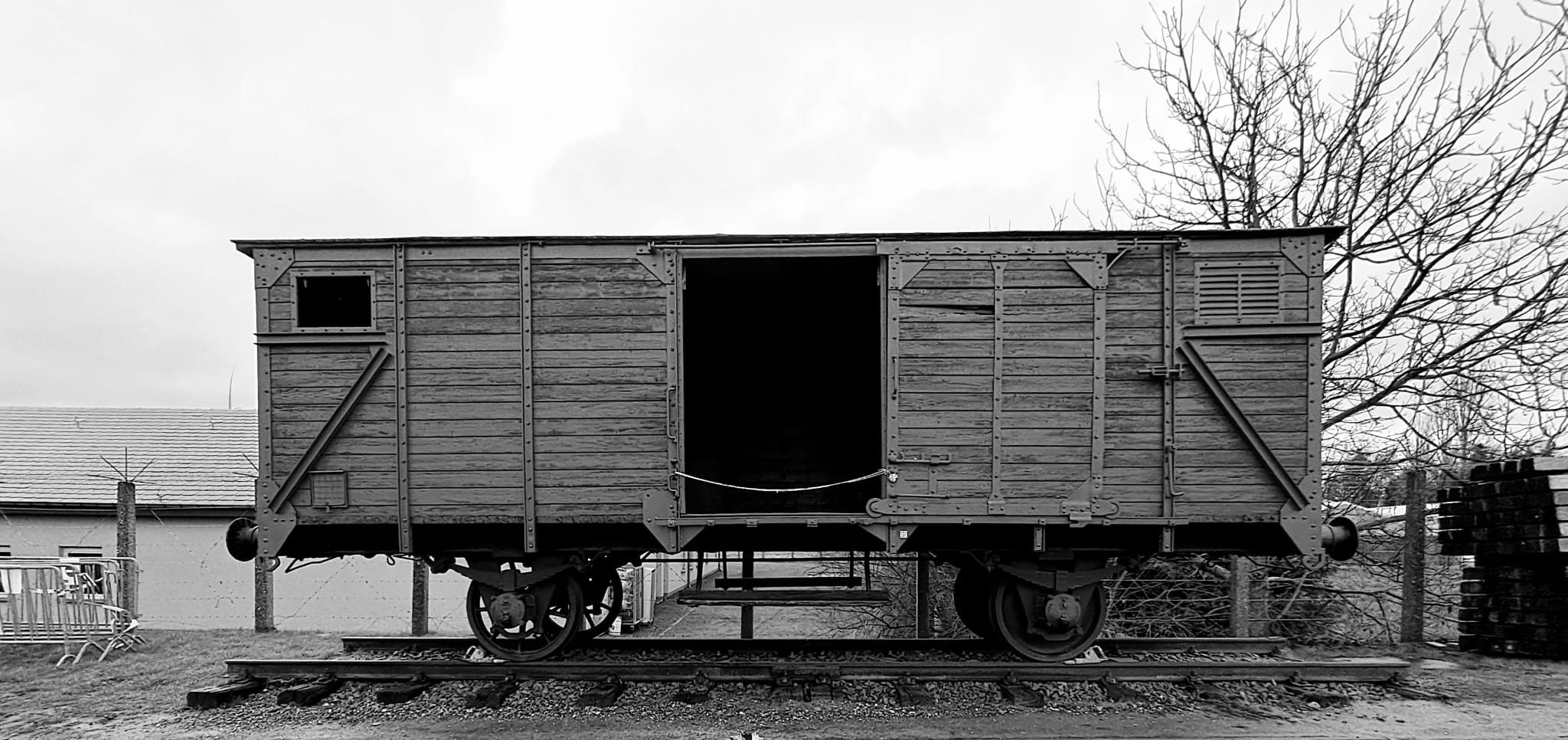
Our field trip to Fort Breendonk was not just a visit to a museum, it was a confrontation with the reality of the Nazi occupation in Belgium. Located near Antwerp, this fortification became a symbol of terror during World War II. Below is the lifeline of the fort, tracing its transformation from a defensive structure to a camp of horror.
The Defense
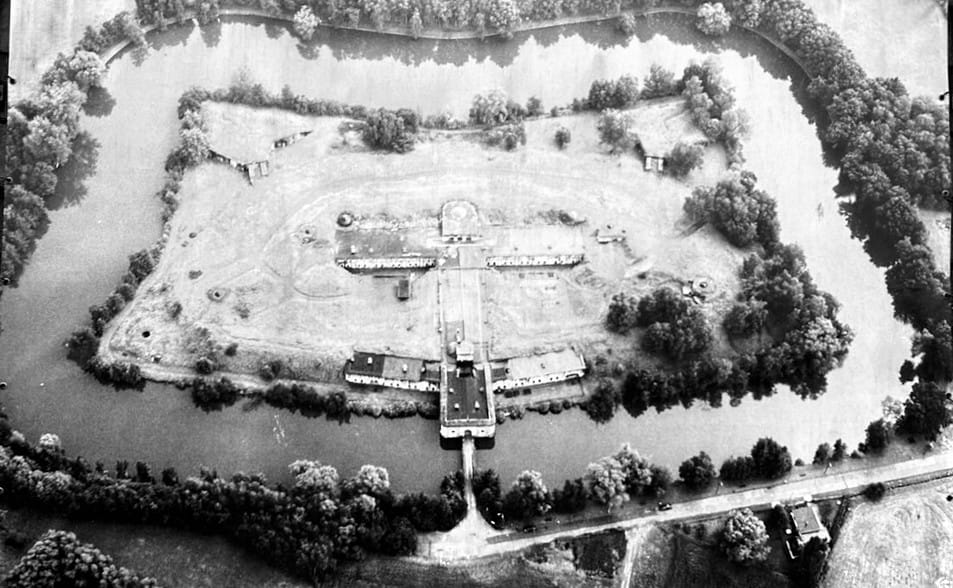
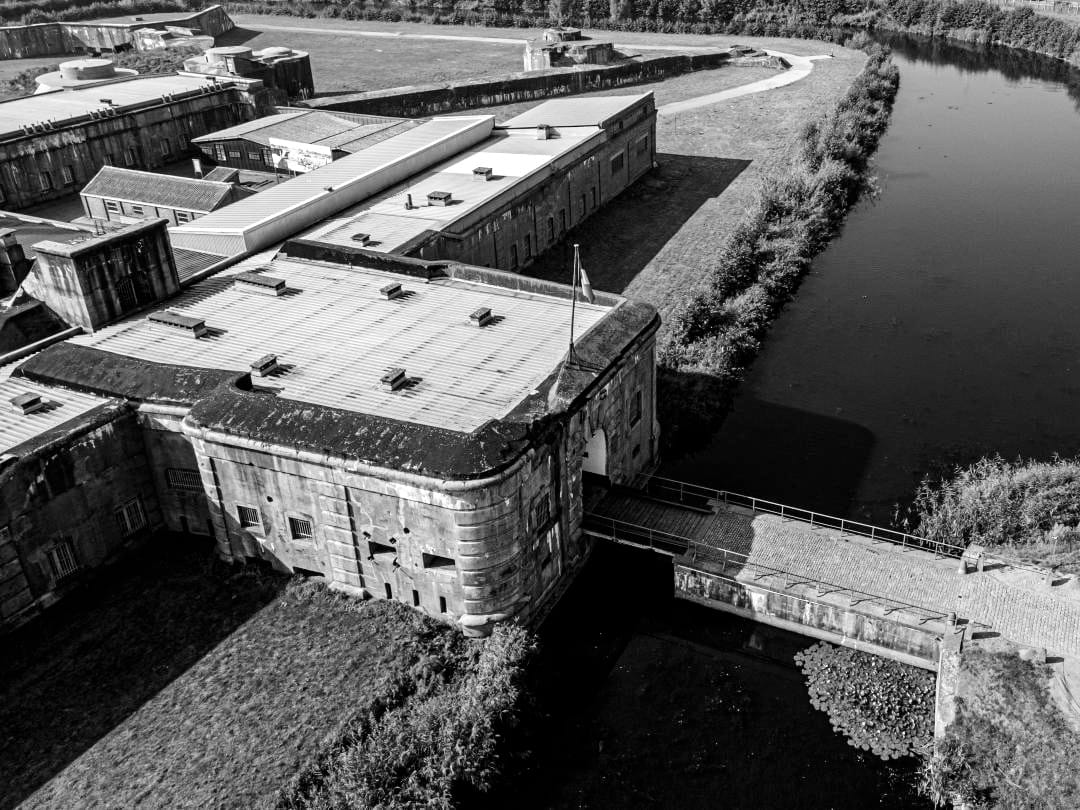
Fort Breendonk was constructed as a key component of the "National Redoubt," a defensive belt of fortresses designed to protect the vital port of Antwerp and provide a fallback position for the Belgian Army. Its thick concrete walls and moat, state-of-the-art for their time, were intended to withstand heavy artillery. The fort represented a symbol of national security, engineered to safeguard Belgium's sovereignty against foreign invasion.
The Occupation
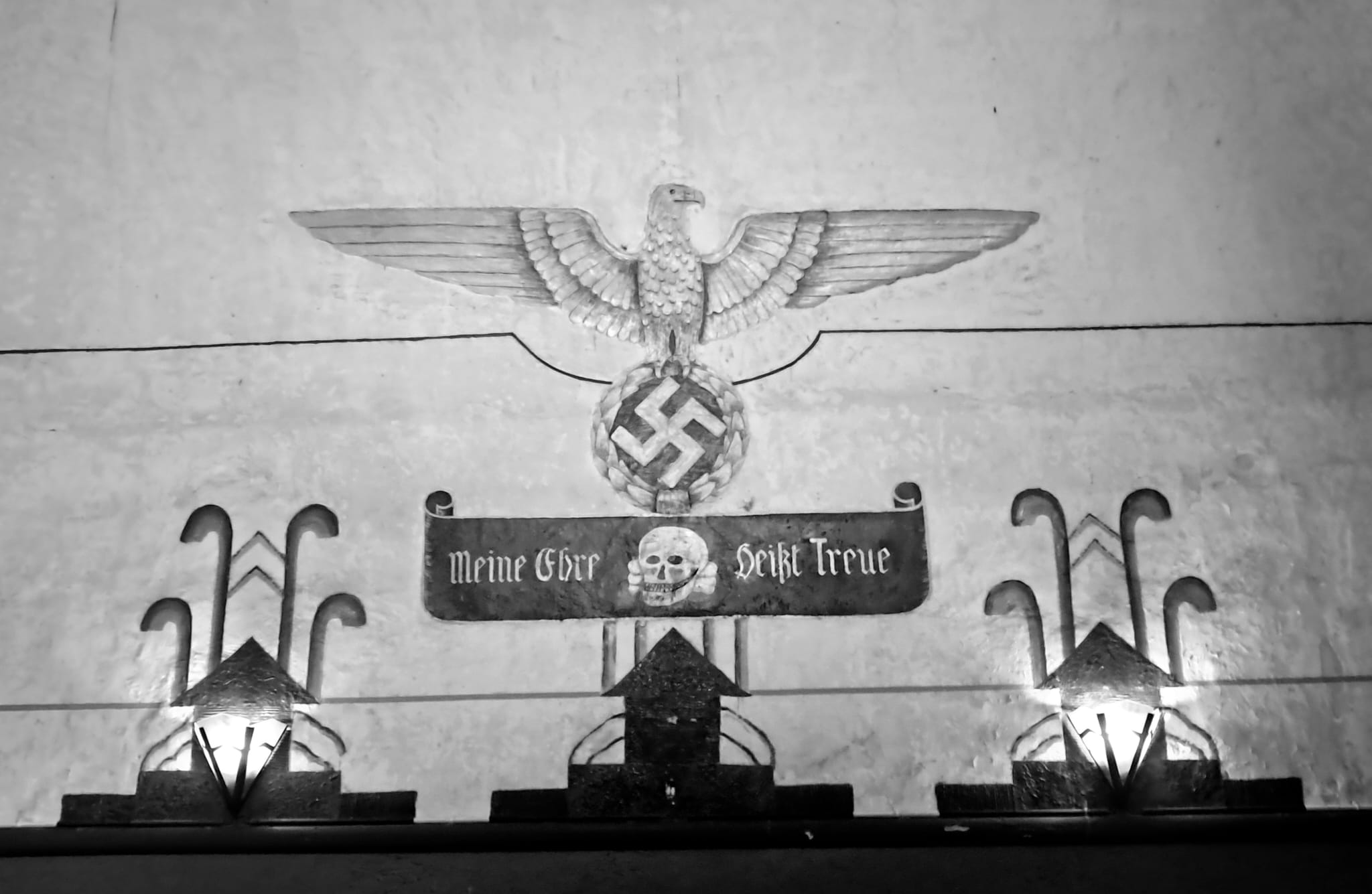
After the German invasion in May 1940, the fort was quickly repurposed by the Nazi regime. The Sicherheitspolizei-Sicherheitsdienst (SIPO-SD), the Nazi security police, established it as an "Auffanglager" or reception camp. Its primary function was to imprison political dissidents, resistance fighters, Jews, and other individuals deemed "enemies of the Reich." The very structure built to protect Belgians was turned into an instrument of their oppression.
The Prisoners
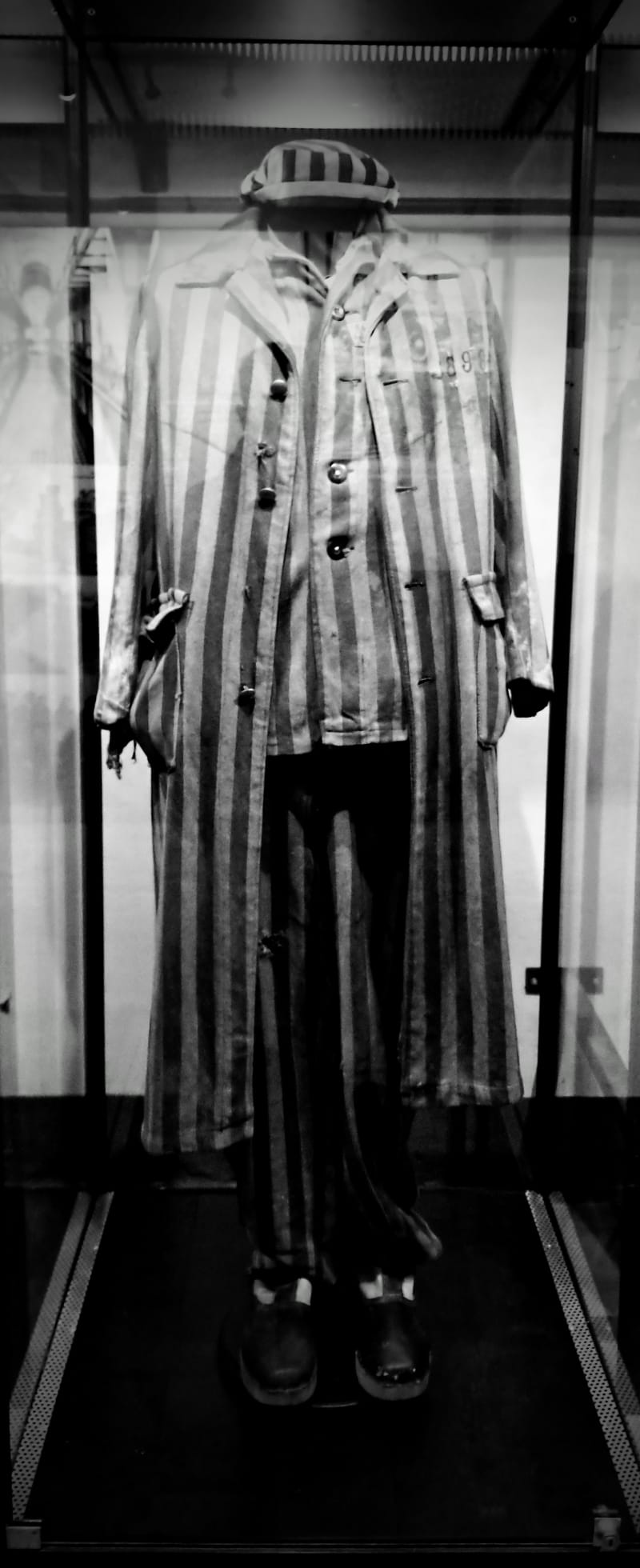
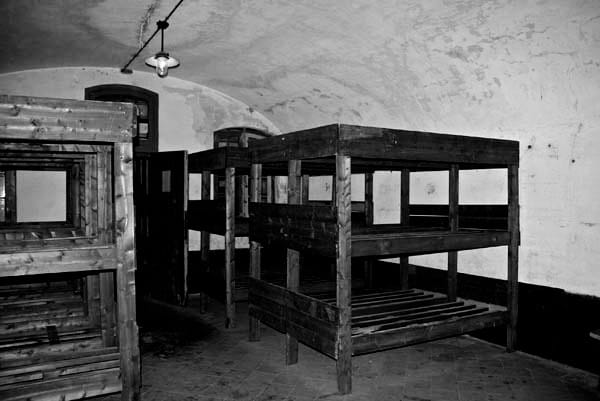
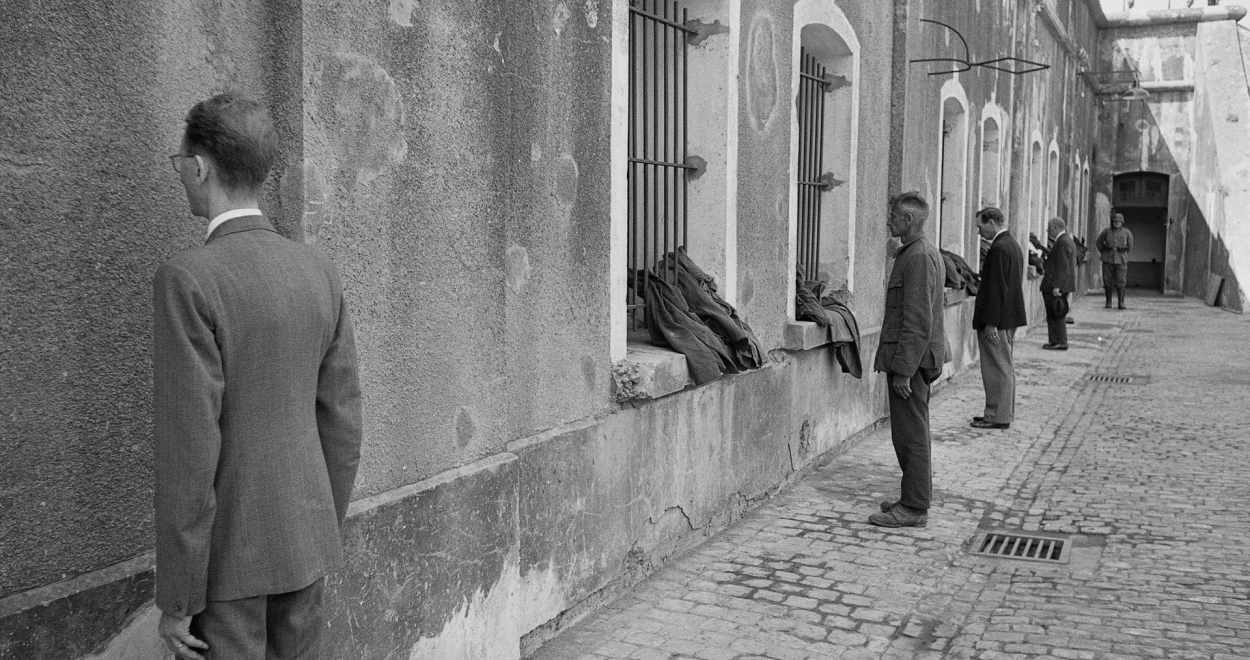
Over its four years of operation, approximately 3,600 prisoners passed through Breendonk's gates. They were a diverse group: left-wing political opponents, captured members of the armed resistance, Allied airmen, and a significant number of Jews who were held here before being deported to Auschwitz. Prisoners were stripped of their names and given numbers, a systematic process of dehumanization. They were forced to wear worn-out Belgian army uniforms, a cruel irony given the fort's original purpose.
Terror & Torture
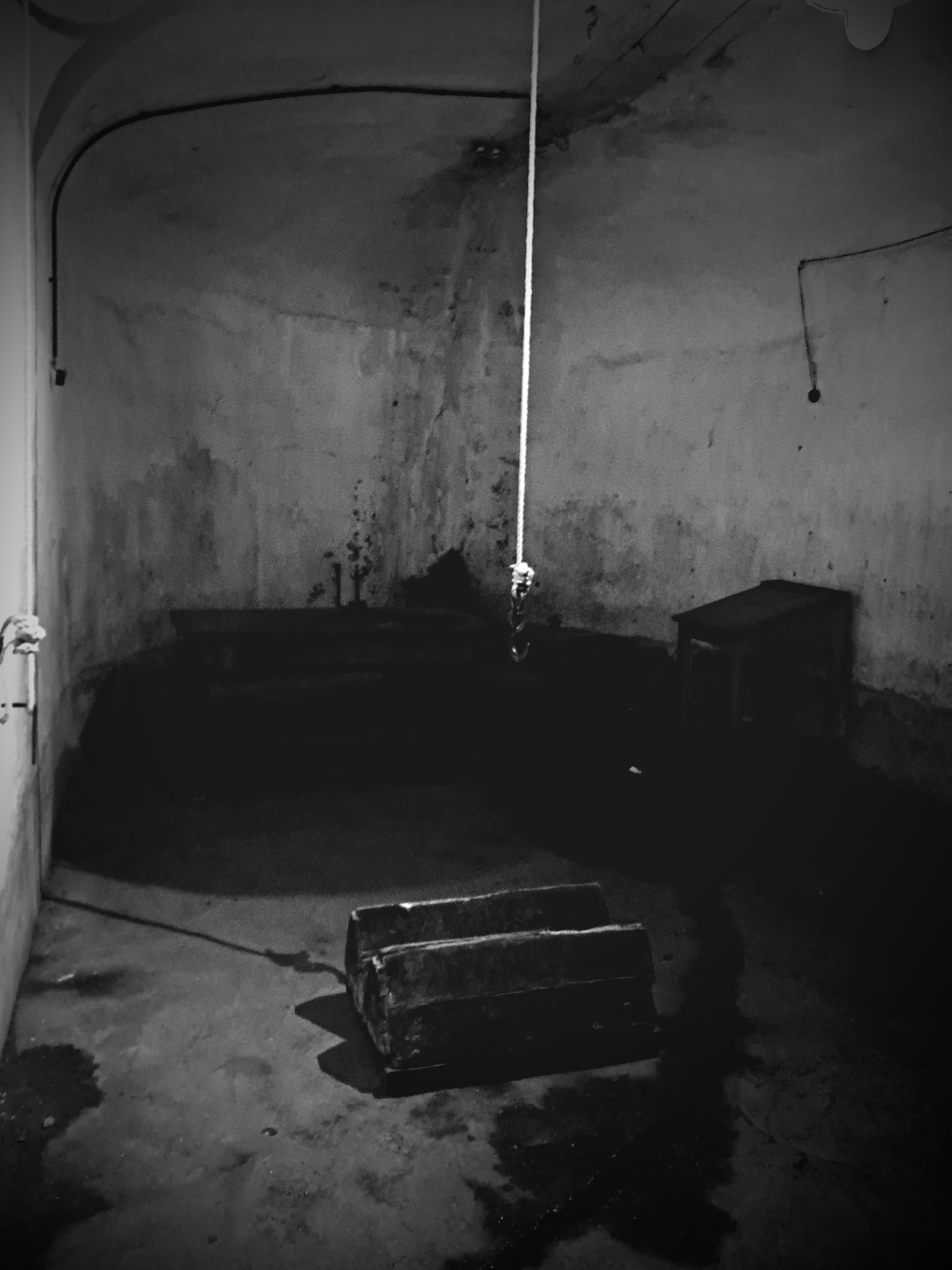
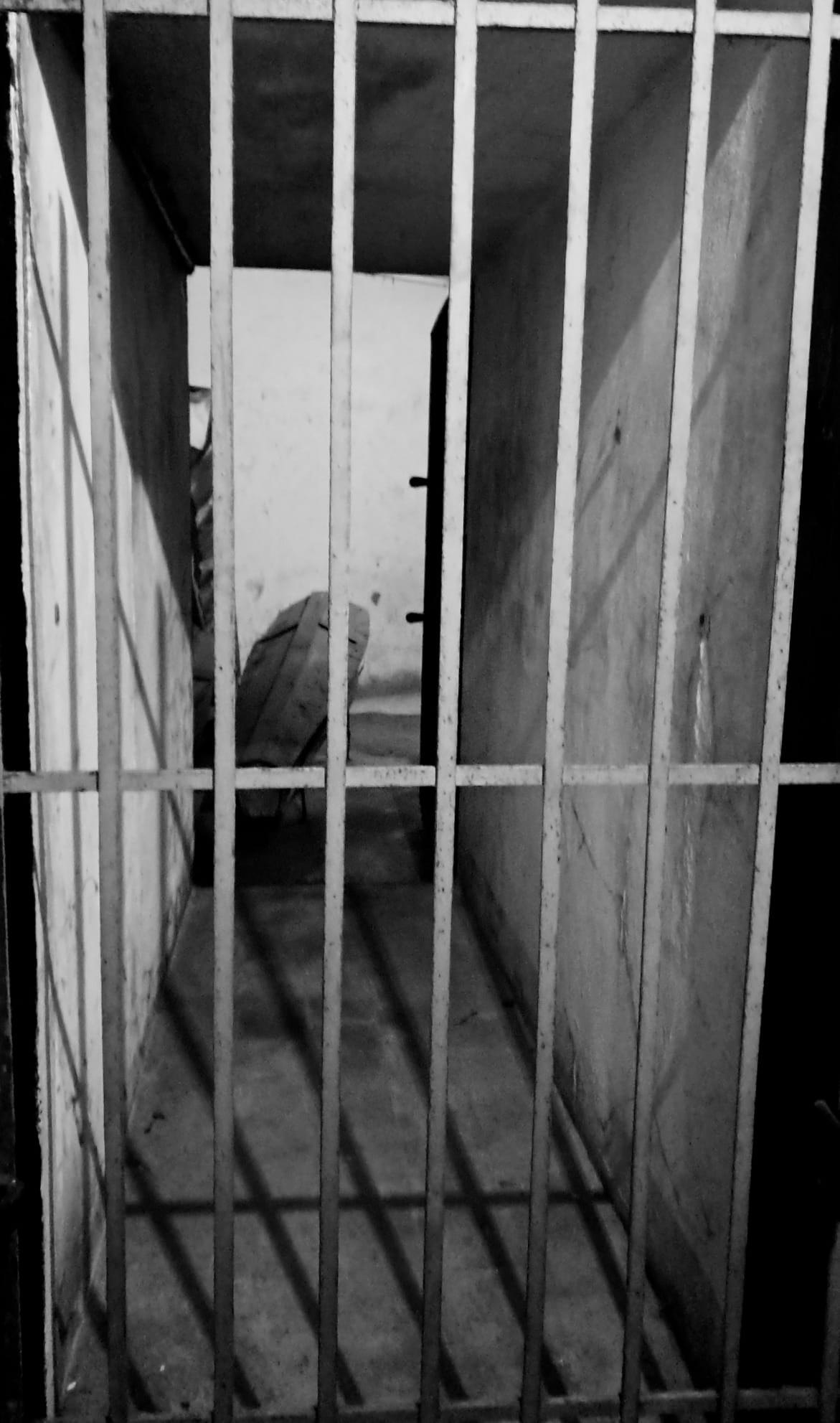
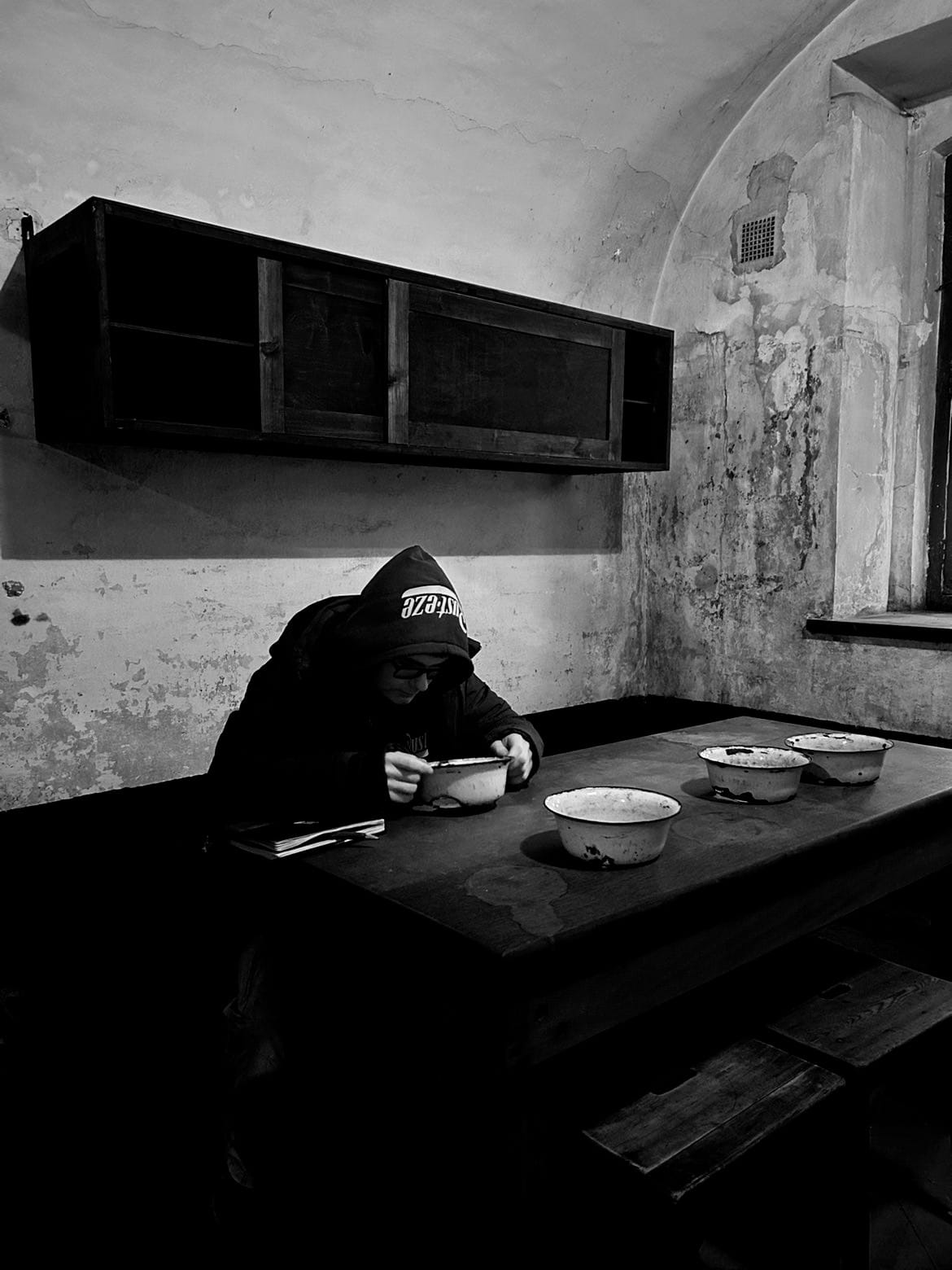
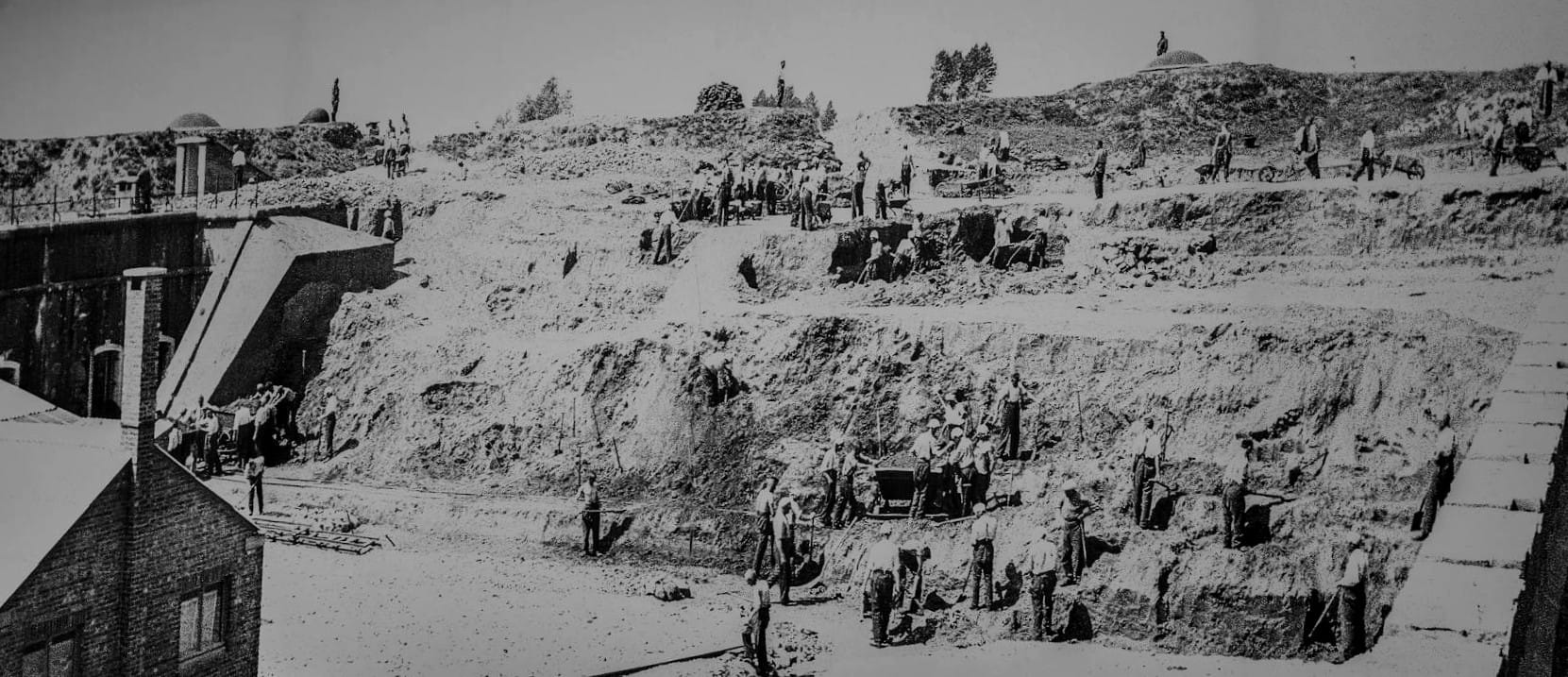
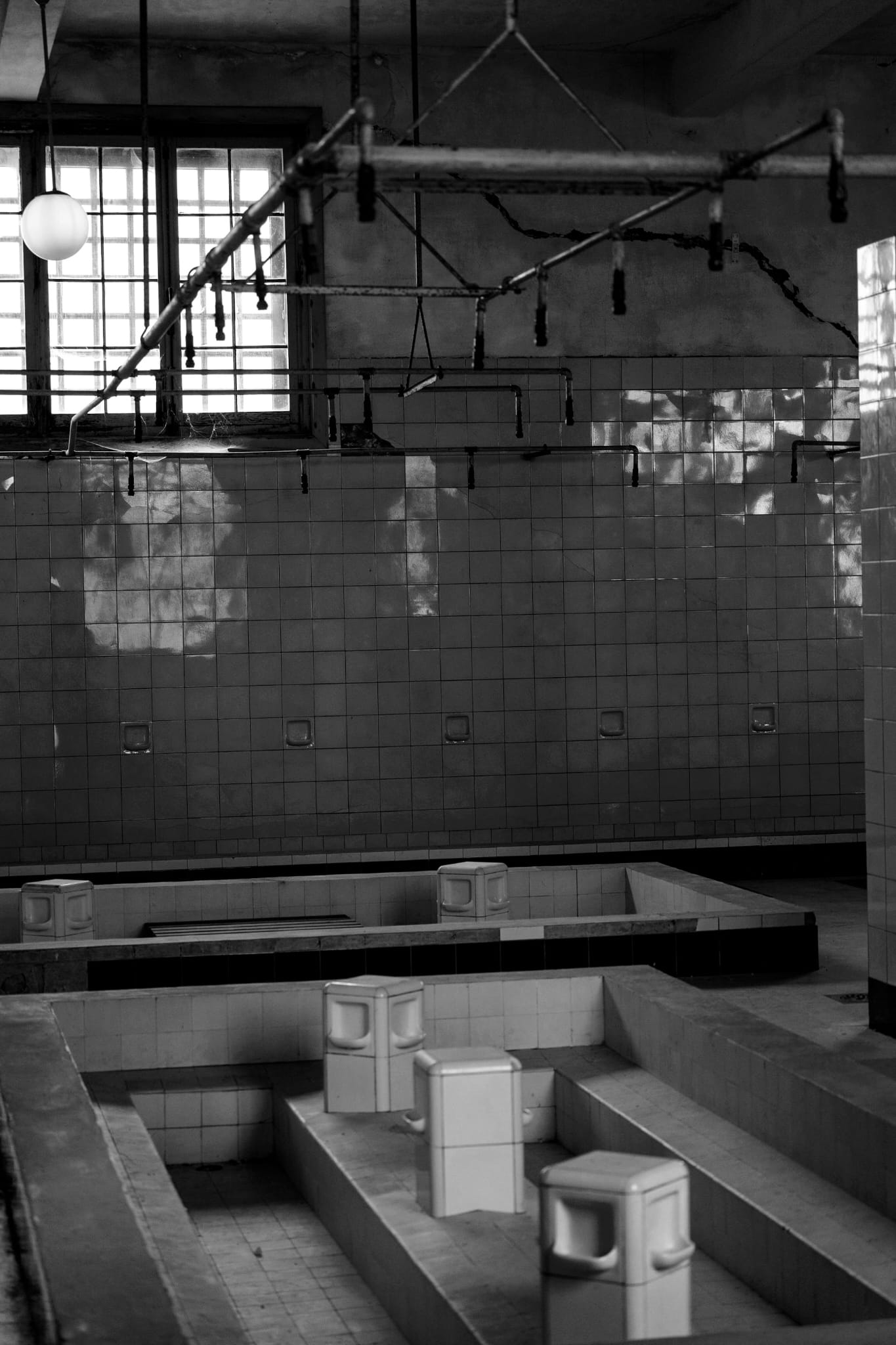
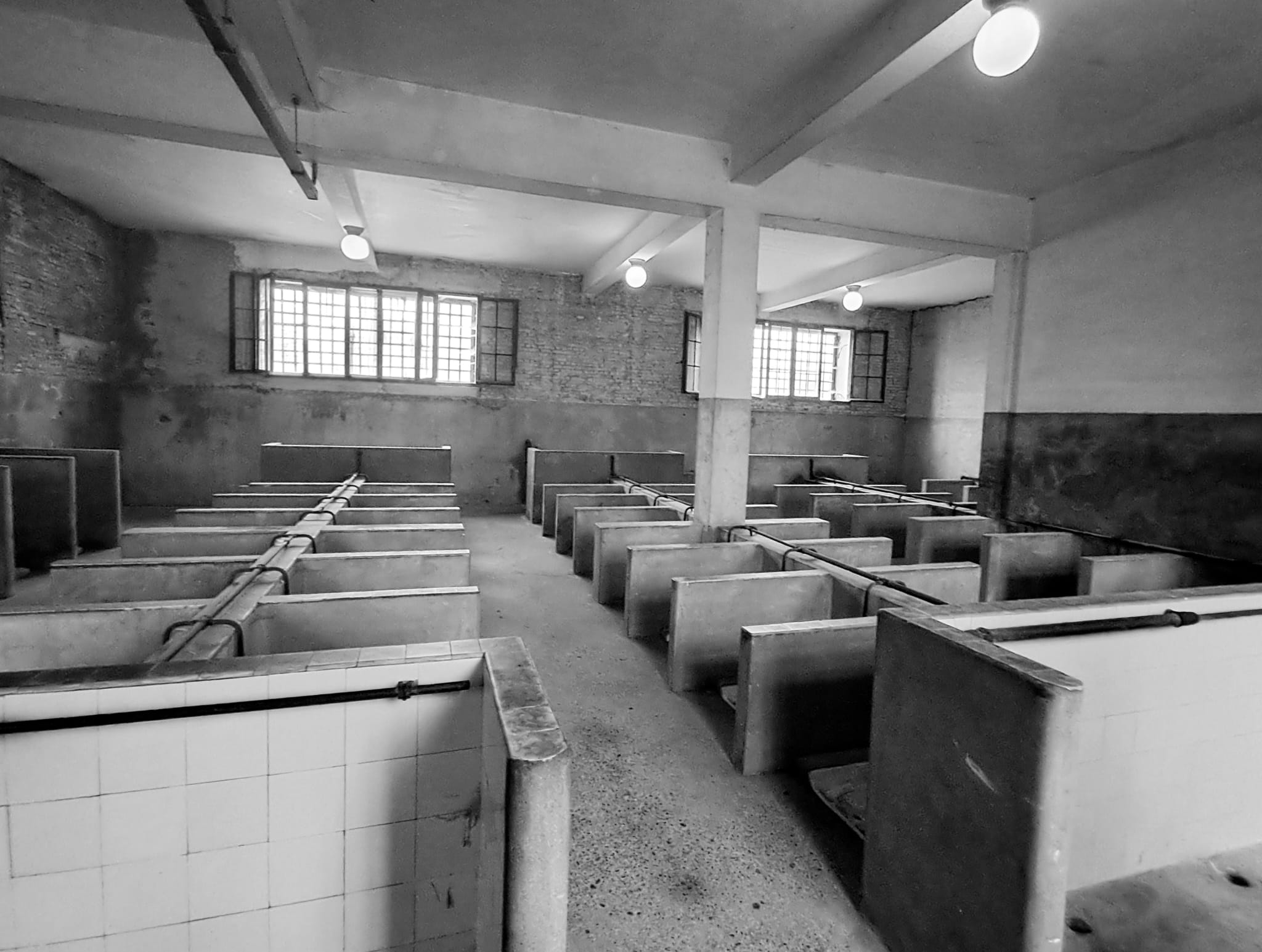
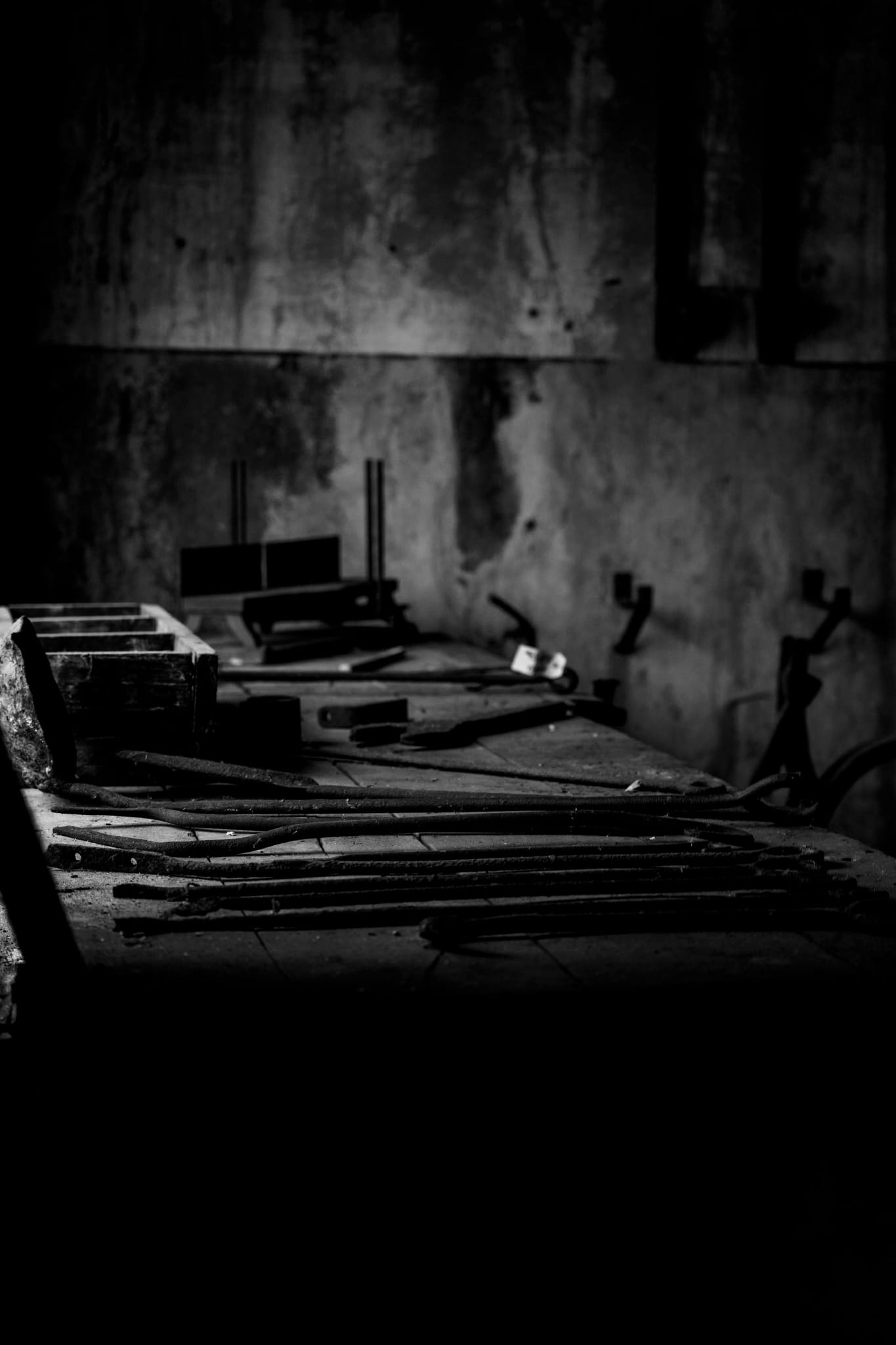
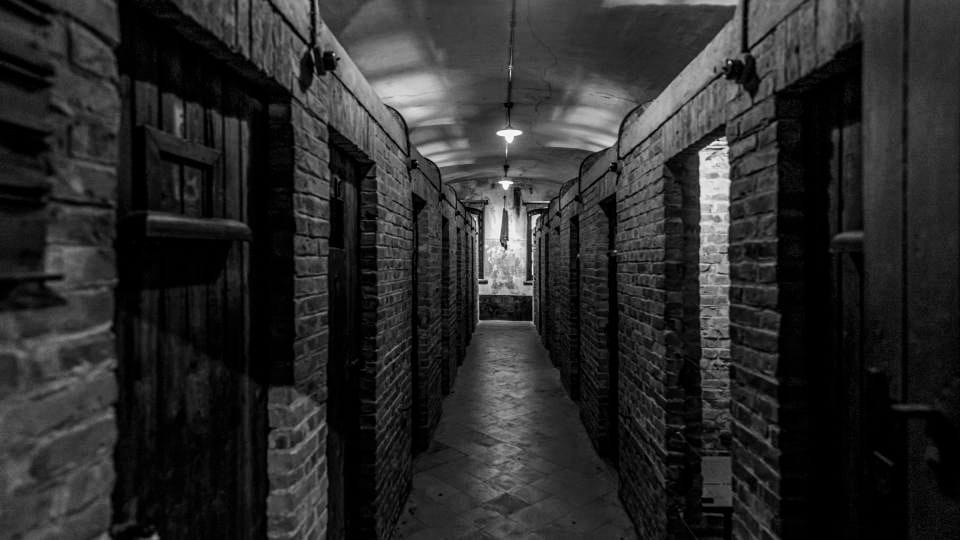
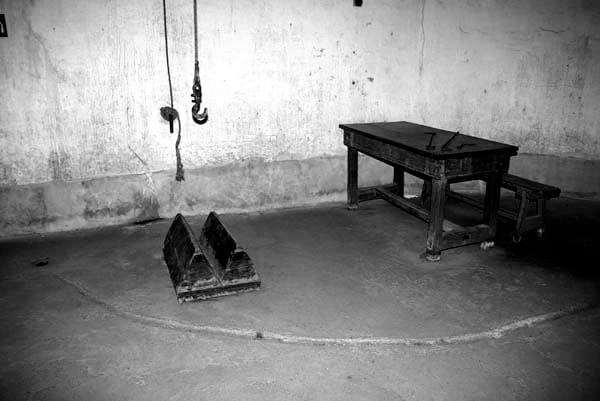
Daily existence in Breendonk was a calculated regime of starvation, forced labor, and psychological terror. Prisoners were forced to perform grueling, pointless tasks, such as moving earth by hand. Malnutrition was rampant, with daily rations consisting of little more than watery soup and a small piece of bread. The camp was infamous for its torture chamber, where the SS and Flemish collaborators used brutal methods to extract information. Executions by hanging or firing squad were common, serving as a constant warning to the other inmates.
The Ultimate Sacrifice
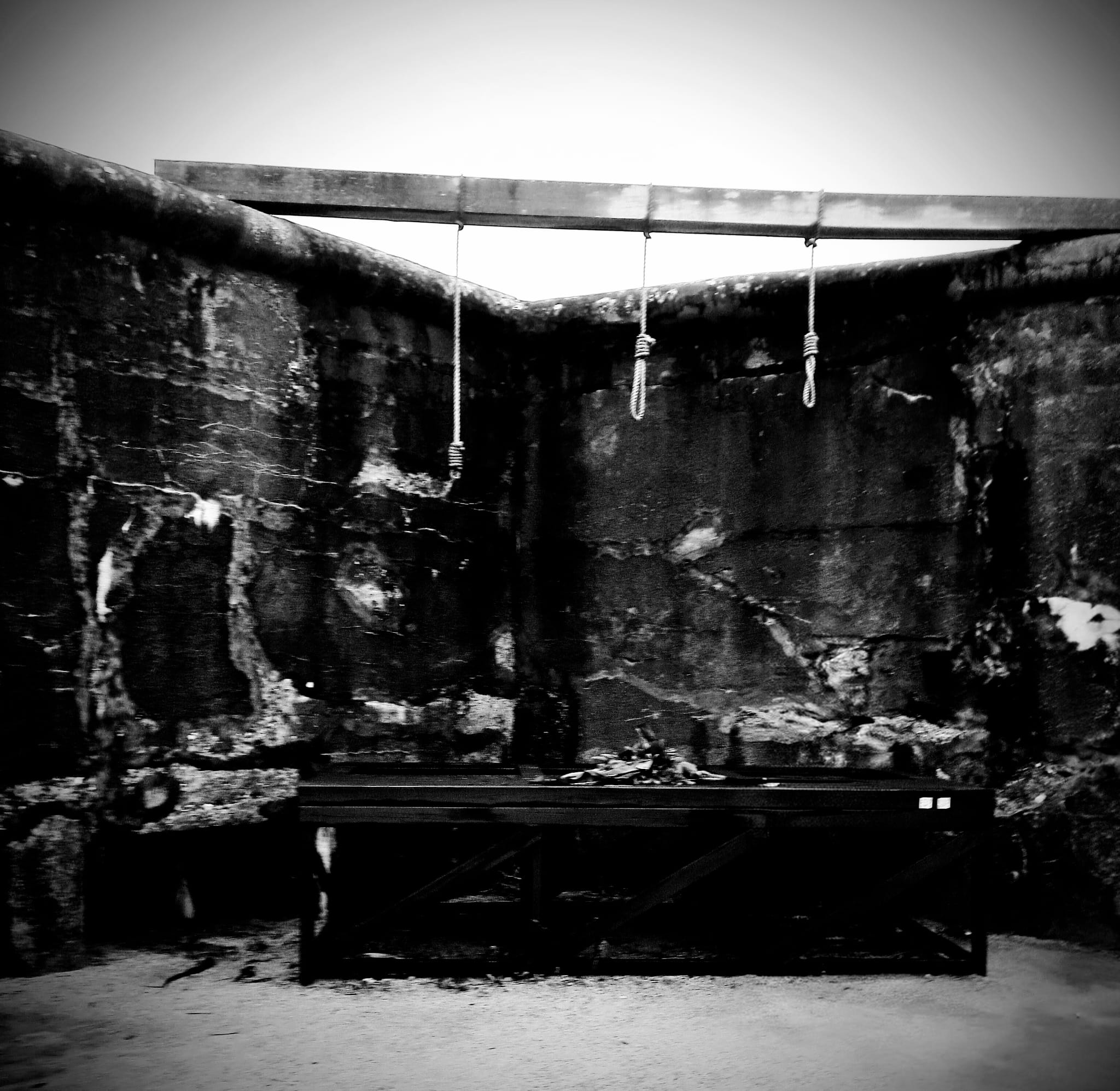
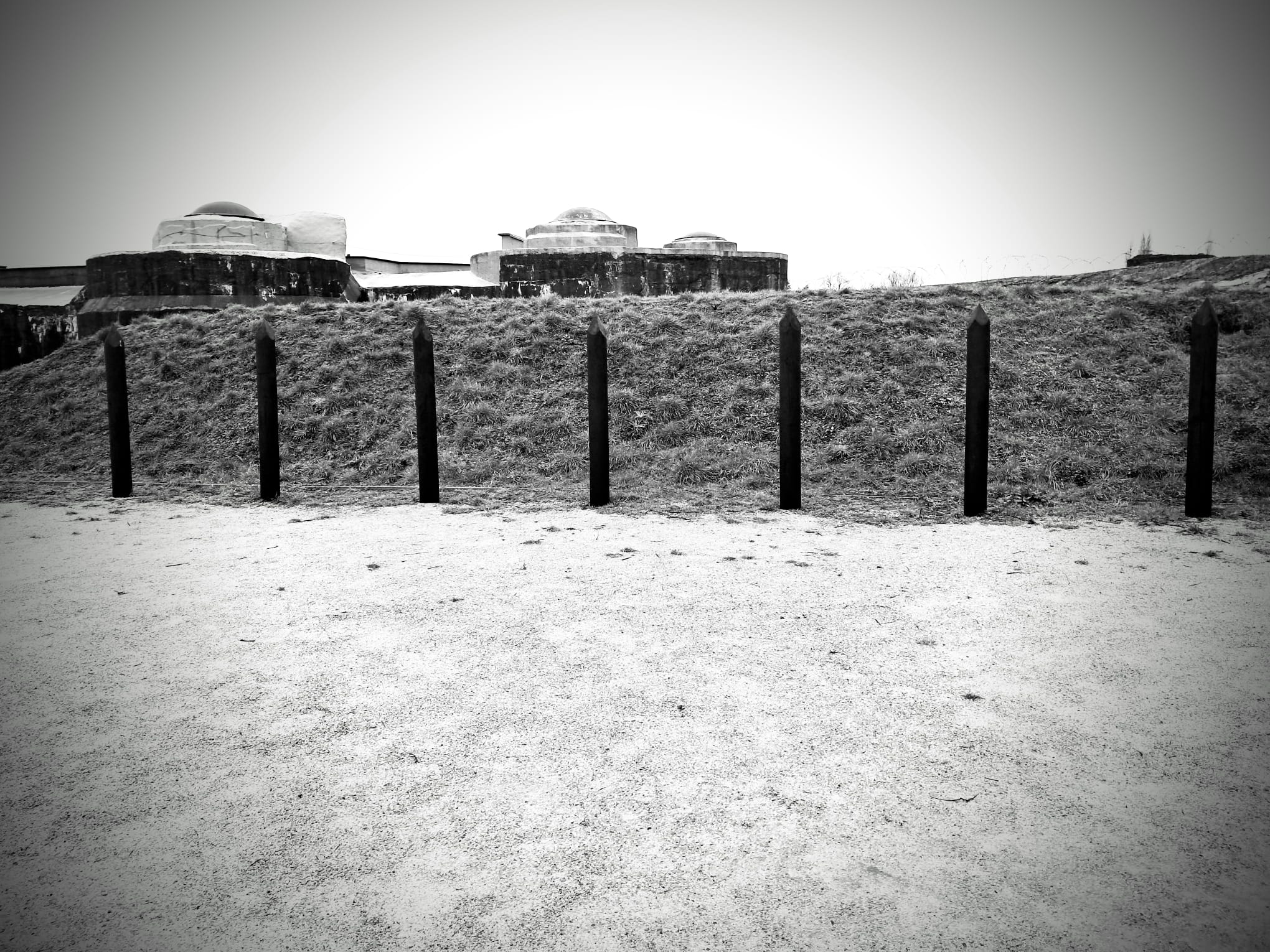
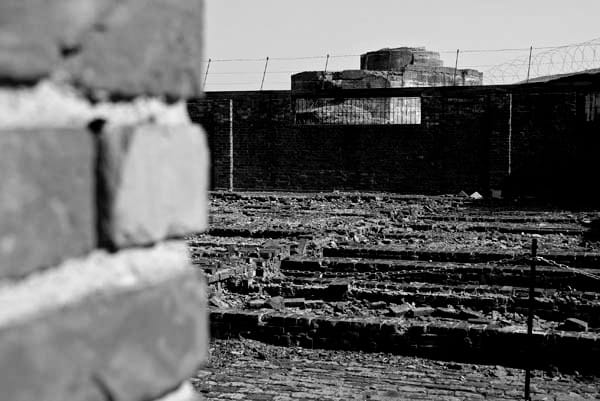
The execution grounds remain one of the most chilling parts of the fort. Here, 164 prisoners were executed by firing squad, and 21 were hanged. The gallows and the execution posts stand as silent witnesses to the ultimate price paid by those who dared to resist. These executions were often public within the camp, designed to break the spirit of the remaining prisoners.
Liberation
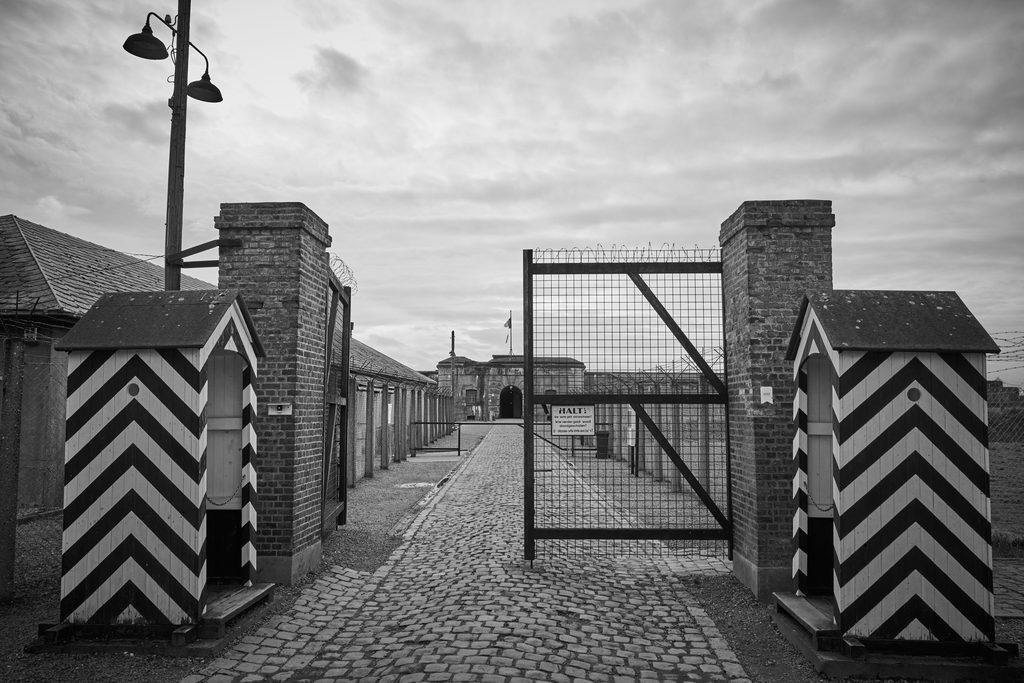
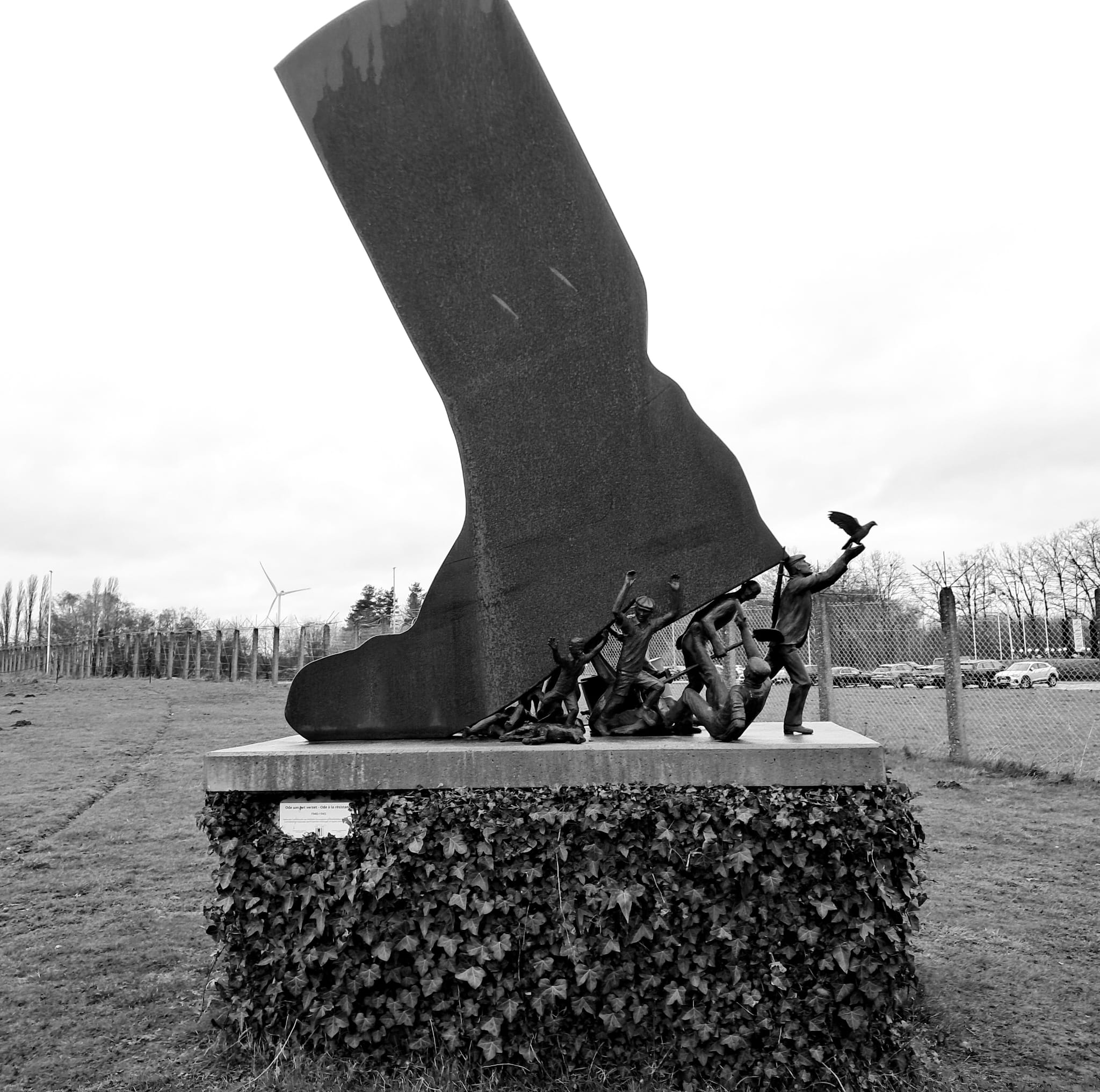
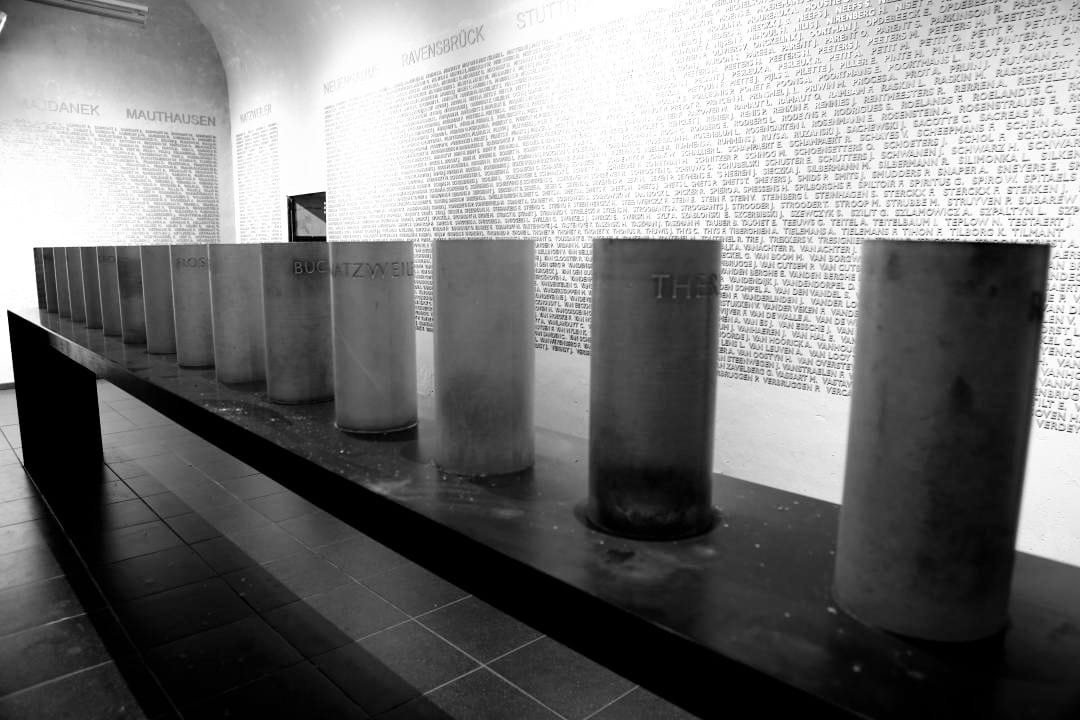
As Allied forces advanced through Belgium, the Nazis hastily abandoned Fort Breendonk, taking the remaining prisoners with them on a "death march" to other camps. The fort was officially liberated on September 4, 1944. What the liberators found was a chilling, almost perfectly preserved site of torture and death. In 1947, it was declared a national memorial, ensuring that the suffering and resilience of its victims would never be forgotten and that the fort would stand as a permanent lesson for future generations.
Breendonk II: The Repression
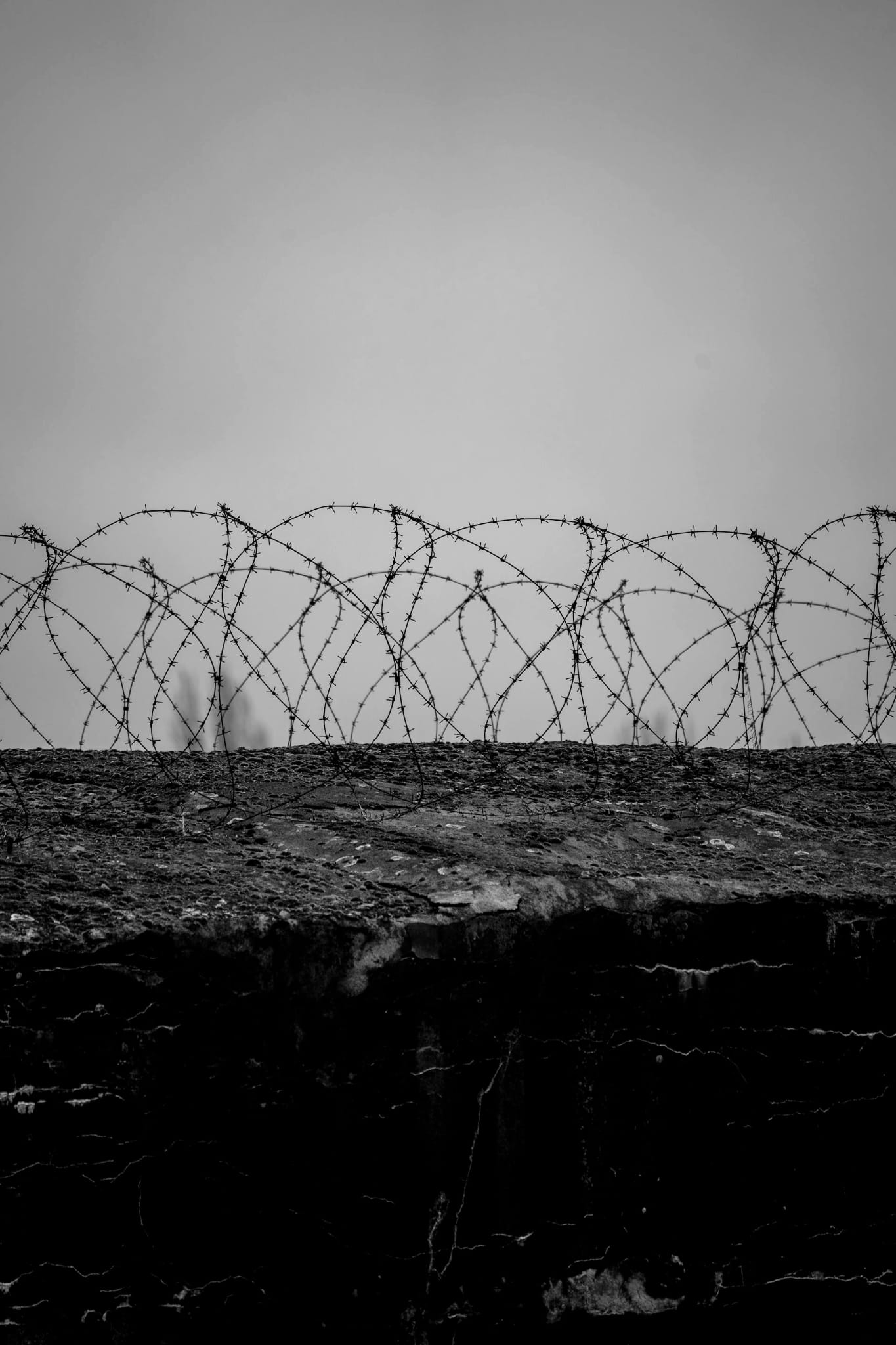
History is rarely black and white. After the liberation, the fort was used by the Belgian state to imprison collaborators, "incivieken," and Germans. This period, known as "Breendonk II," saw the roles reversed. While intended as justice, the conditions were initially harsh, driven by the intense emotions and desire for revenge that followed the occupation. It serves as a reminder of the complex and often painful aftermath of war.